


CWLF Survey: Teens Turn to AI First as Stigma Silences Emotional Help-Seeking
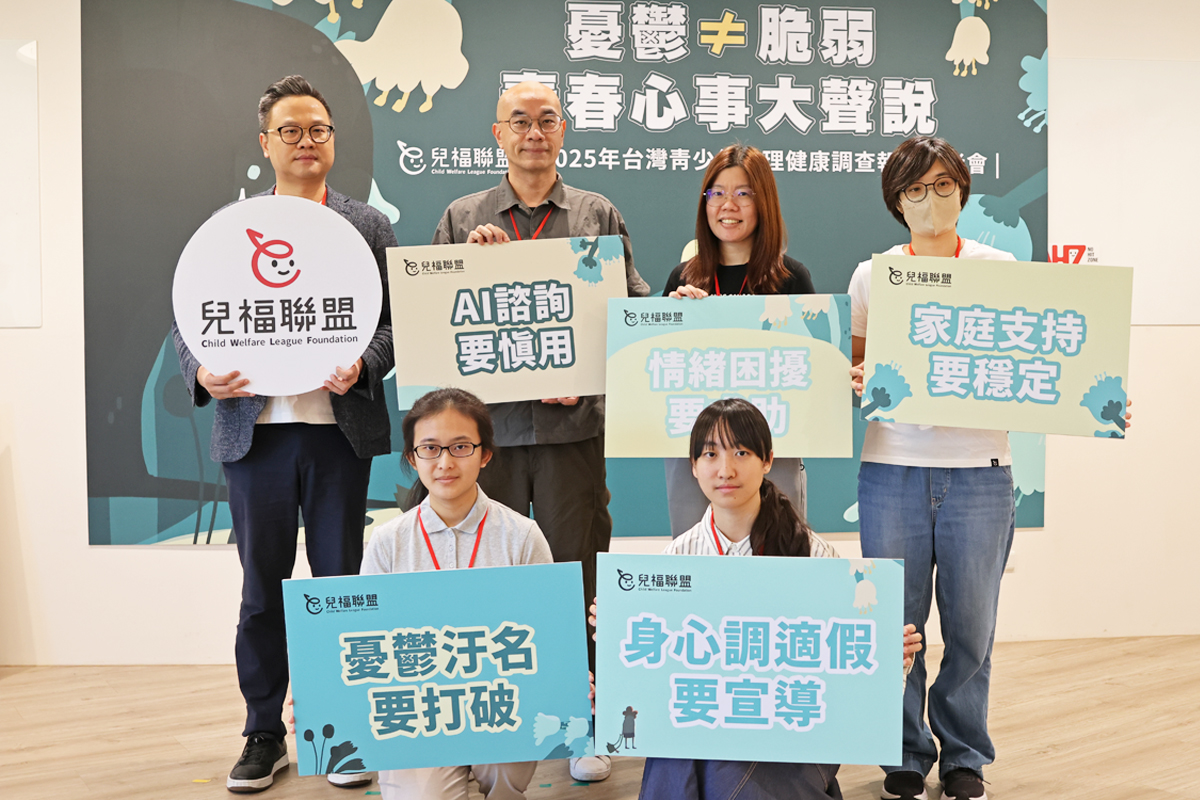
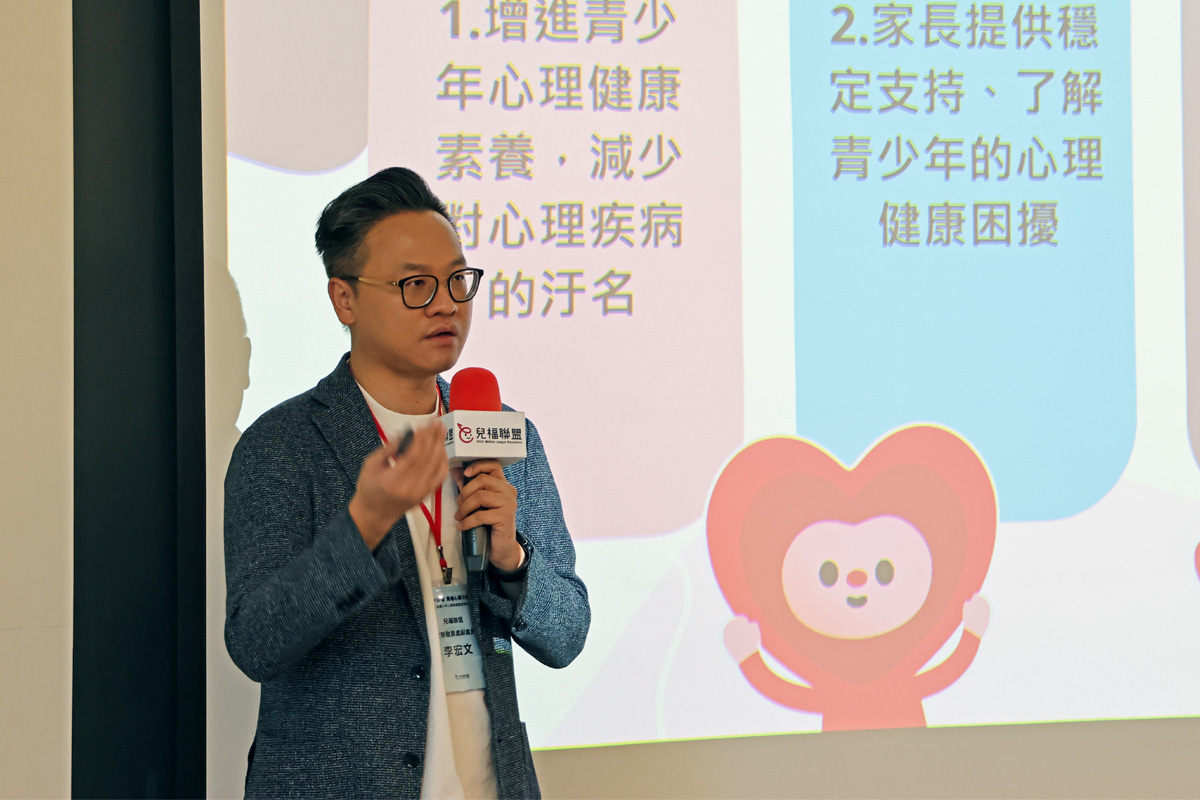
One in five adolescents in Taiwan has experienced suicidal ideation—meaning that among every five young people, one has thought about ending their life. The Child Welfare League Foundation (CWLF) surveyed more than 7,000 junior and senior high school students nationwide. At the press conference, “Depression ≠ Weakness: Let Youth Speak Up,” CWLF Deputy Director of Policy Development and Advocacy Department Hong-Wen Li released the 2025 Taiwan Youth Mental Health Survey Report.
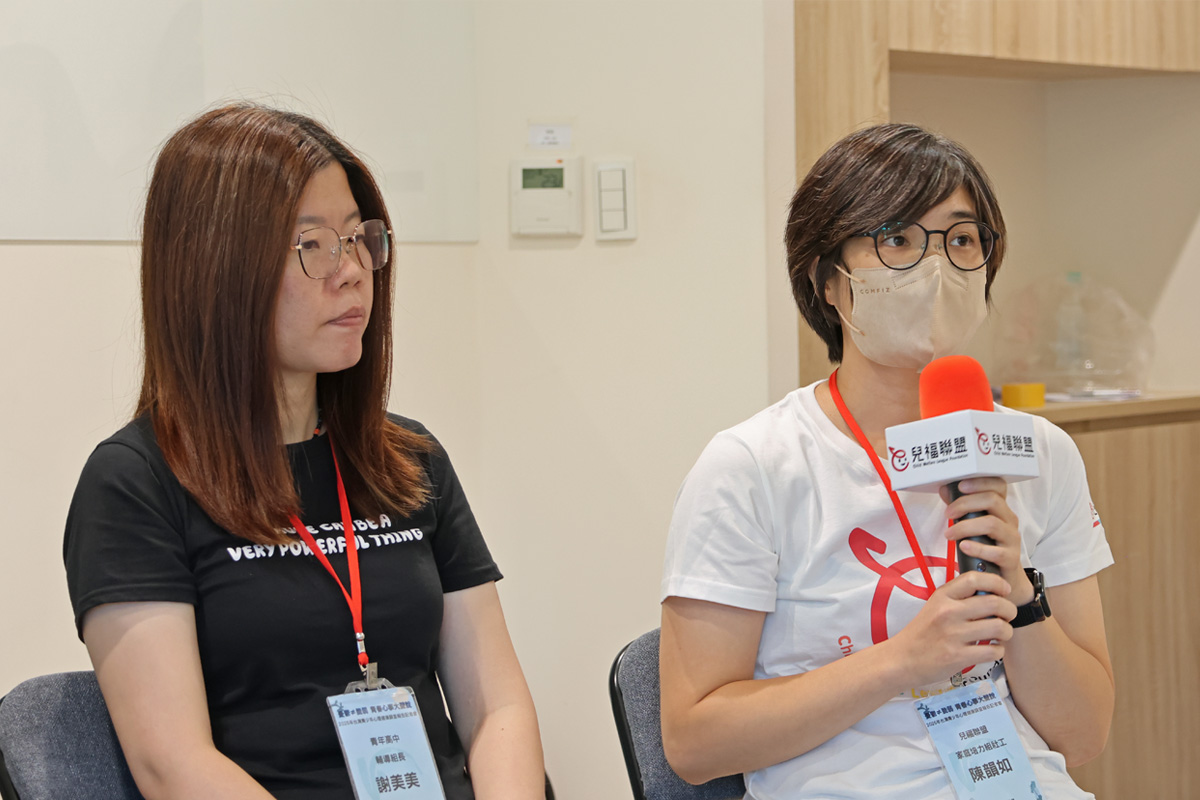
CWLF also invited clinical psychologist Pin-Hao Chen of Miruku Psychological Therapy System, counselor Mei-Mei Hsieh of Youth Senior High School, CWLF social worker Yun-Ju Chen, and two youth representatives to share practical insights from frontline mental-health work and their experiences using mental-health leave. Together, they presented a multifaceted picture of the challenges facing young people today.
Survey data show that over 20% of adolescents have had suicidal thoughts, with risks especially high among girls: 23.4% of female students reported moderate or severe suicidal ideation, compared to 7.5% of boys. CWLF also found that nearly 37% of adolescents currently experience emotional distress, and 17.7% fall into the moderate-to-severe range—indicating an urgent need for professional support.
Additionally, 20.5% of adolescents frequently think about refusing school, and 47.9% experience insufficient sleep. Alarmingly, although most students acknowledge the importance of mental-health support, nearly 40% choose to stay silent when facing psychological distress. Even when they do open up, many turn first to AI rather than professional help, overlooking potential risks. CWLF emphasizes that mental-health stigma directly suppresses adolescents’ willingness to seek help—the stronger the stigma in their environment, the less likely they are to reach out.
In response to these growing concerns, CWLF launched the “Teens Shouldn’t Stay Emo–Youth Healing Program,” which provides home-visiting support, coordinated resources, and financial assistance for mental-health treatment to help young people recover and regain stability.
22% of adolescents have experienced suicidal ideation—rates for girls far higher than boys
According to the survey, 22.3% of adolescents reported having suicidal thoughts within the past week, and 10.8% reached moderate or higher levels requiring professional intervention. Gender differences were striking: 23.4% of girls showed moderate-to-severe suicidal ideation—more than three times the rate of boys (7.5%).
Nearly 20% struggle with moderate-to-severe emotional distress
Emotional struggles are closely intertwined with suicidal ideation. Around 30% of students reported moderate or higher levels of irritability (28.3%), depression (27.6%), and feelings of inadequacy (32.3%). Overall, 17.7% are in moderate-to-severe psychological distress and need professional mental-health support.
Among the 21.4% who have experienced psychological difficulties, the main stressors include:
• academic pressure (57.7%)
• peer pressure (56.6%)
• family stress (48.7%)
• past traumatic experiences (38.3%)
Girls are significantly more likely than boys to experience psychological distress. When these stressors accumulate, adolescents may develop a chain reaction of issues—such as school refusal and sleep problems—if timely support is not provided.
Nearly half have insufficient sleep; one in five frequently thinks about avoiding school
Emotional distress is closely tied to both school-refusal tendencies and sleep difficulties, posing significant risks to adolescents' well-being. According to the CWLF survey, 20.5% of teens experience "not wanting to go to school" thoughts two to three times per week or more.
The survey also shows that nearly half of adolescents experience insufficient sleep (47.9%) or irregular sleep schedules (46.6%). Additionally, 23.6% face moderate or severe sleep problems—such as difficulty falling asleep or frequent waking—that disrupt daily functioning and learning.
CWLF’s analysis indicates that these issues are more pronounced among senior high school students and girls. If left unaddressed—particularly when teens hesitate to seek help—they risk worsening over time.

Nearly 40% Stay Silent When in Distress; Teens With Help-Seeking Experience Turn to AI Most Often
Although 78.6% of teens believe professional support can improve mental-health challenges—and 63.3% say they are willing to seek help from school counselors or mental-health professionals—their actual help-seeking choices tell a different story. Peers are their first choice, followed by parents, underscoring the crucial role of social and family support.
Strikingly, among teens who have both mental-health difficulties and help-seeking experience, 46.5% chose to confide in generative AI, a higher proportion than those who turned to school counseling offices (41.1%) or mental-health professionals (30.4%). This trend highlights the unique ways digital-native youth navigate distress.
Clinical psychologist Pin-Hao Chen cautions that while AI can provide a temporary outlet that prevents complete emotional suppression, "AI cannot replace professional counseling—real support must happen between people."
However, 39.1% of adolescents say they would tell no one if struggling with mental-health issues—often out of fear of being labeled weak, dangerous, or overly sensitive. CWLF notes that this silence is strongly linked to public stigma: the more stigma youth perceive around them, the less willing they are to seek help, illustrating the harmful impact of stigmatizing mental-health difficulties.
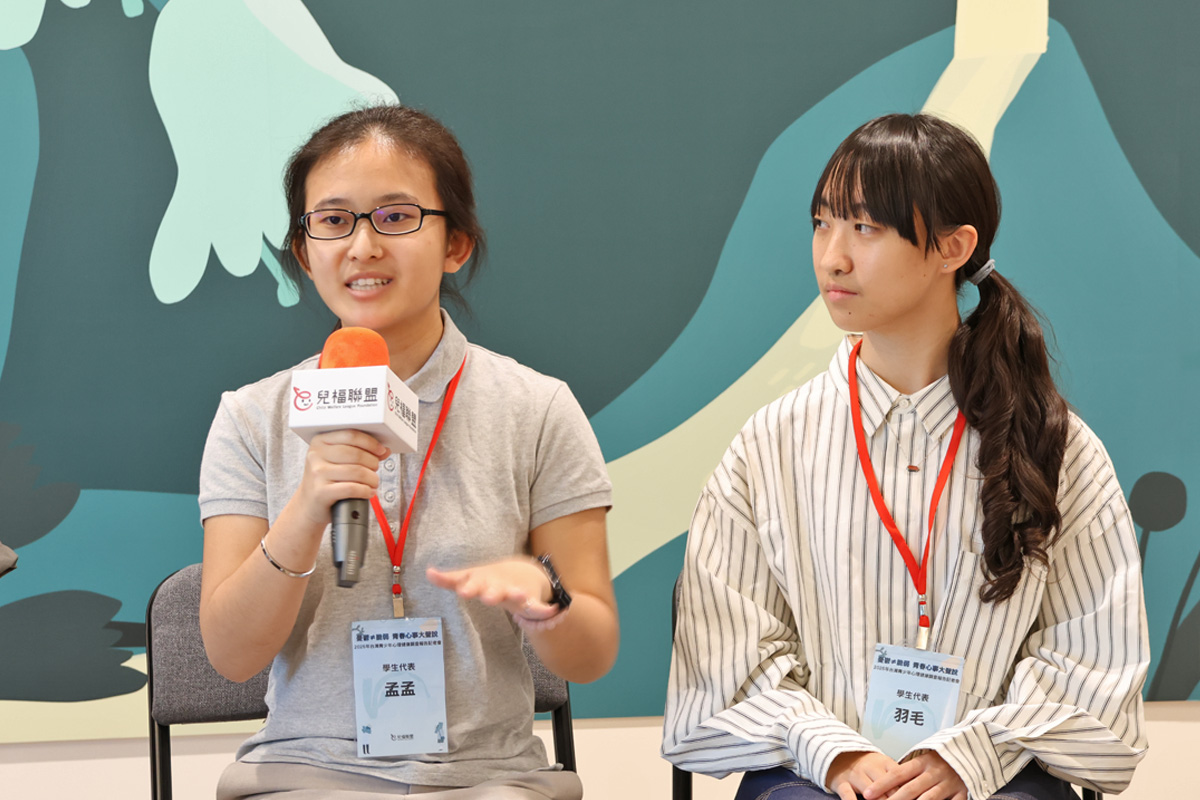
Youth representative Meng-Meng echoed this reality, sharing that although society has become more open to mental-health discussions, stigma remains pervasive. Many students avoid seeking help for fear of being seen as fragile, dramatic, or attention-seeking.
"People easily empathize with a cold or an injury," Meng-Meng said, “but emotional struggles are often dismissed as overthinking.” This fear drives some students toward alternative outlets:
"I tried talking to AI—it doesn’t judge or give you strange looks. But after a while, it feels empty, because AI can’t truly understand how you feel."
Over 60% of senior high students don't understand mental-health leave rules; nearly half encounter obstacles when applying
To improve student mental health, Taiwan's Ministry of Education introduced mental-health leave for senior high school students. But CWLF found that:
• over 60% are unaware of the policy
• usage is low (only 6%)
• 45.8% of students who used it encountered obstacles from teachers, administrators, or parents
Youth representative Yu-Mao shared that students are sometimes asked to provide medical or counseling documentation—contradicting policy guidelines and adding unnecessary stress. Some teachers or parents even accuse students of "avoiding problems."
"This isn't just about the policy itself," Yu-Mao said. "It's about whether our whole society and education system truly understands and supports youth mental health."
CWLF Calls for Integrated Support Networks to Help Youth Seek Help Safely
CWLF social worker Yun-Ju Chen noted that the need for youth mental-health support has risen rapidly. CWLF provides diverse services, including:
• free counseling hotlines and LINE chat support
• Youth+ centers offering recreation and respite spaces
• psychological counseling and trauma-healing services with long-term social-work accompaniment
• online courses and school outreach to promote mental-health literacy
"We want young people and parents to know they are not alone, and that support is always available," Chen said.
 CWLF has now officially launched the "Teens Shouldn't Stay Emo–Youth Healing Program" to expand home-visiting support, resource coordination, and financial aid for treatment.
Deputy Director Hung-Wen Li emphasized:
"Youth are in a stage of rapid physical and emotional development and face multiple pressures from academics, peers, and family. Without proper support, they may face anxiety, depression, or even more serious mental-health crises."
CWLF issues three key recommendations:
- Improve mental-health literacy and reduce stigma
Nearly 40% remain silent due to stigma. Schools, educators, and parents must strengthen mental-health education and create stigma-free environments. Public education and lived-experience sharing can reduce harmful stereotypes. - Recognize youths' growing reliance on AI—and expand access to online counseling
Nearly half of the youth in distress turn to AI. CWLF urges the government to:
• relax restrictions preventing minors from accessing online or remote counseling
• develop trusted online support services
• strengthen digital-literacy education to help youth identify risks and seek safe channels - Review and improve implementation of mental-health leave
Only 6% have used mental-health leave, but nearly 90% of those who used it found it helpful. CWLF calls on the Ministry of Education and local governments to strengthen promotion, remove administrative barriers, and ensure students can exercise this right without obstacles.
If adolescents or families need assistance, CWLF offers a range of support services:
- Youth Hotline: +886-800-001-769 (toll-free in Taiwan), or add our LINE account: @youthplus_cwlf
- Trauma and Resilience Hotline:+886-800-250585 (toll-free in Taiwan)
- Youth Support Community Service Center:+886-4-2220-0128
- Teens Shouldn't Stay Emo–Youth Healing Program
◼︎ More CWLF surveys:
• 2025 World Children's Day: What CWLF Child Wellbeing Survey Reveals about Children's Lives in Taiwan
• CWLF Survey: 63% of Teens Use AI for Schoolwork, but 60% Rarely Verify Accuracy or Safeguard Privacy
• CWLF Survey: Academic Pressure & Social Media Harm Taiwanese Junior High Students' Mental Health