


Youth Mental Health in the Digital Age: Highlights from CWLF's 2025 International Conference
We were deeply honored to begin the afternoon session with remarks from Prof. Jaap E. Doek, former Chair of the UN Committee on the Rights of the Child. His address reminded us that mental health is an integral part of every child's right to health under the UN Convention on the Rights of the Child (CRC).
Prof. Doek also acknowledged Taiwan’s long-standing commitment to implementing the principles of the CRC—even without formal ratification—and highlighted CWLF as an important partner in advancing children’s rights and well-being. He noted that strengthening adolescent mental health requires addressing it not only as a medical or social issue, but as a fundamental human right to which every child is entitled.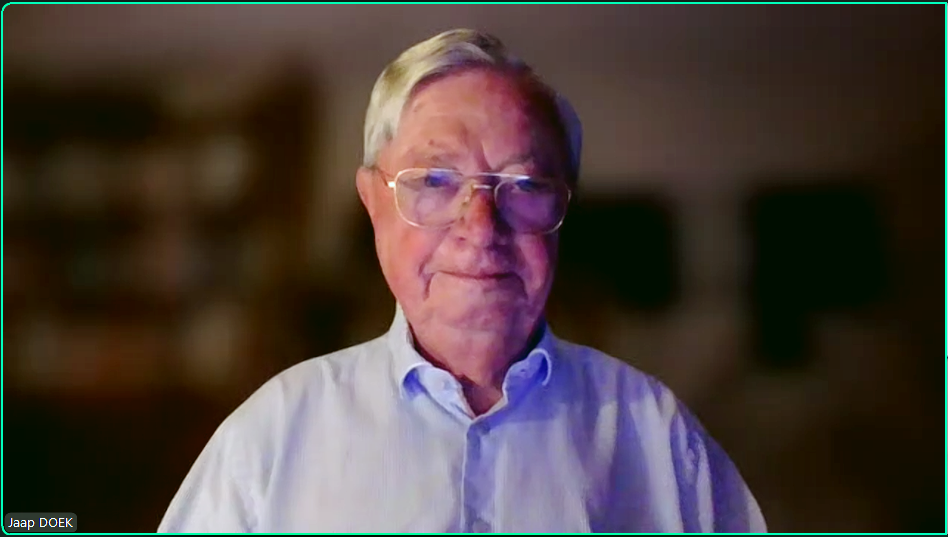
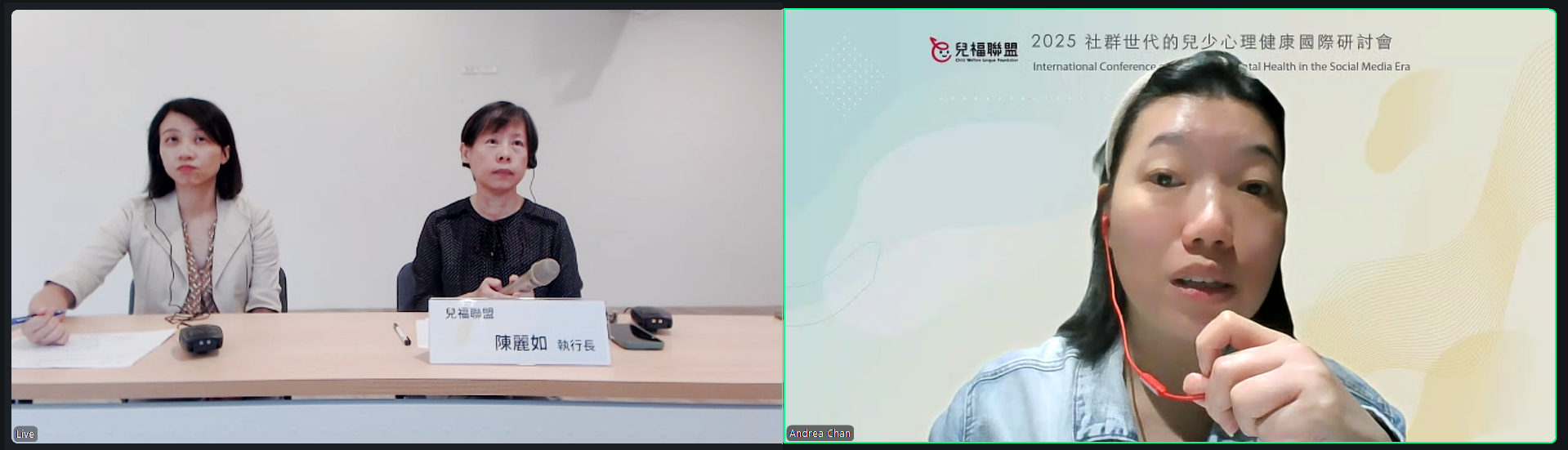
Keynote 1: Singapore TOUCH Community Services
The first keynote, delivered by Andrea Chan from Singapore's TOUCH Community Services, explored the impact of social media on youth mental health. The speaker noted that as the Singaporean government increases investment in mental health initiatives, agencies are receiving more resources to expand psychoeducation and crisis intervention. One particularly impressive example was a large-scale mental resilience campaign held at Changi Airport. This campaign used the imagery of halted air travel, which slowly recovered during the pandemic, to encourage the public to rediscover hope amid adversity. The campaign later expanded to shopping malls and community spaces, deepening public awareness of mental health.
TOUCH also introduced its high-intensity program for youth at risk of suicide. Over a two-year period, the suicide risk among more than fifty participating adolescents dropped significantly. Given its strong outcomes, the Singaporean government now plans to further scale up the program to better support youth struggling with psychological distress.
Keynote 2: UC San Diego Center for Mindfulness
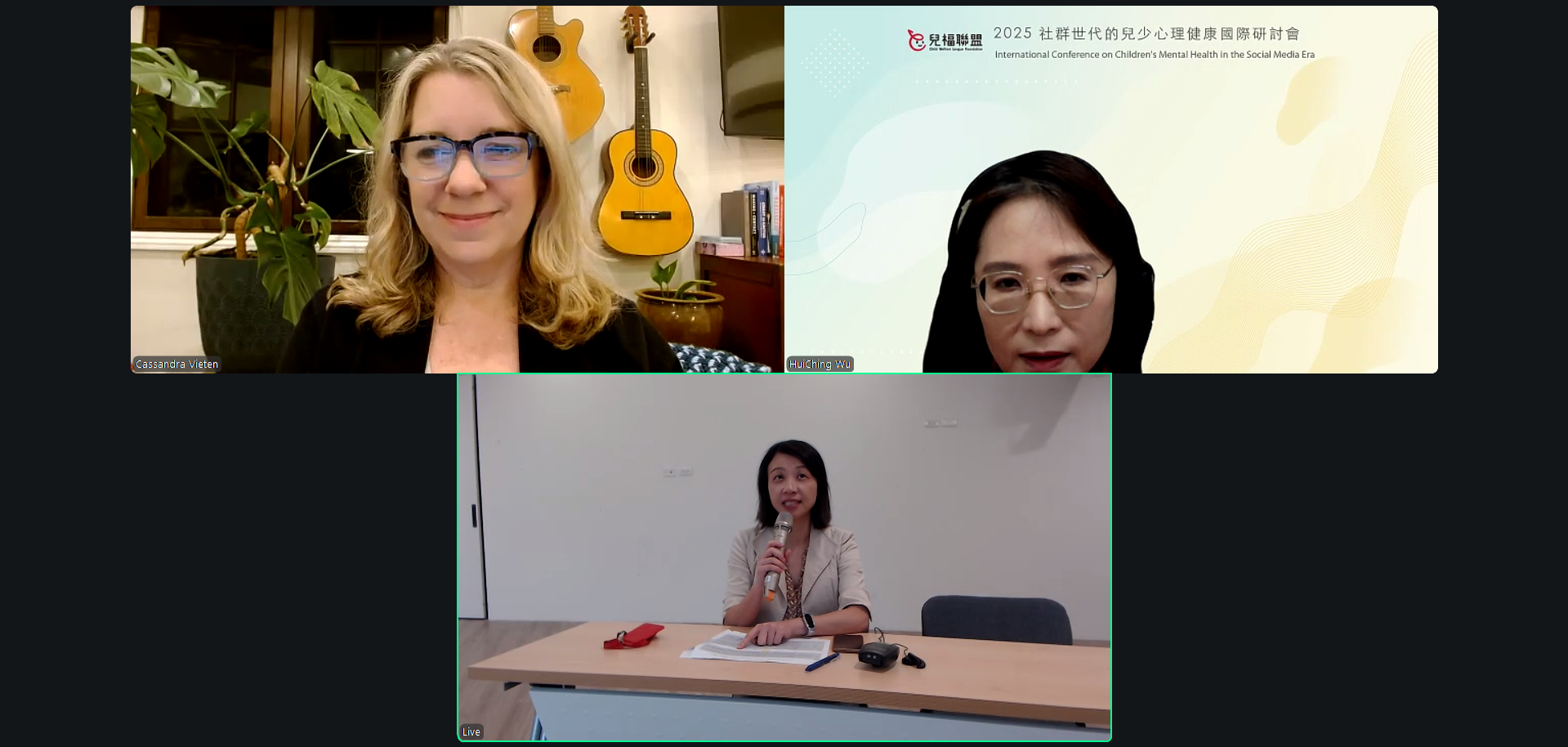
The second keynote featured Dr. Cassandra Vieten, Director of the UC San Diego Center for Mindfulness, who discussed the application of mindfulness in adolescents and families. She explained that due to the ongoing development of the prefrontal cortex and limbic system, teenagers tend to be more emotionally reactive and susceptible to peer influence and social-media-related anxiety or addiction. She recommended that youth begin using social media only after age 13.
Research shows that mindfulness practices help adolescents regulate emotions, support brain development, and strengthen coping skills. Dr. Vieten described mindfulness as paying attention to the present moment with openness, kindness, and without judgment. She emphasized that mindfulness learning should be engaging and creative—using sensory games, body scans, or everyday moments such as eating, walking, or brushing teeth—and can also be integrated with music, art, or sports to appeal to young people.
Forum I: Understanding Withdrawn Youth: Hong Kong and Taiwan
The first afternoon forum invited Sandy Ma from The Hong Kong Federation of Youth Groups (HKFYG), Taiwanese counseling psychologist Yen-Ju Kuo, and CWLF's staff from Youth+ Center to discuss challenges faced by socially withdrawn youth from the perspectives of society, family, peer relations, and adverse childhood experiences.
HKFYG shared its tiered model of mental health services, which involves cross-sector collaboration among the government, hospitals, schools, and families. Psychologist Kuo presented a school-based intervention model that focuses on horizontal coordination and case work. CWLF Youth+ Center introduced how its physical community space and diverse activities draw adolescents into participation, enabling services to reach those most in need. Both regions highlighted the importance of multi-layered and cross-system approaches to address the different mental health needs of young people.

Forum II–Improving Mental Health Service Programs for Adolescents: Japan and Taiwan
The second forum centered on program exchanges. Ayaka Ishii of the Japanese organization Light Ring presented its suicide-prevention program, which trains non-professionals to become "gatekeepers." These gatekeepers are equipped to identify warning signs, provide empathetic listening, and connect youth with necessary resources. Additionally, Light Ring fosters online communities for peer interaction, supported by a professional team.
Taiwan Lifeline International shared its text-based counseling service for adolescents, where volunteers majoring in psychology provide real-time online support to youth experiencing emotional distress or suicidal ideation. The service has proven highly accessible and trusted.
Family Empowerment Division of CWLF Central Branch presented its Youth Mental Health Support Program, which centers on emotional regulation, self-care, and family support. Through diverse activities, the program helps adolescents manage stress, enhance resilience, and strengthen community mental-health support networks.

A Shared Global Concern and the Path Forward
Throughout the conference sessions, it became clear that youth mental health has emerged as a shared global priority. Singapore’s example highlights the essential roles of government policy and public advocacy. UC San Diego’s research shows how mindfulness supports emotional regulation and resilience among adolescents. The Hong Kong–Taiwan dialogue demonstrated the importance of cross-system collaboration and community engagement when supporting socially withdrawn and high-risk youth. The program exchange between Japan and Taiwan illustrated how combined professional and peer-based networks can provide immediate support to children in distress or crisis.
Overall, the conference facilitated rich cross-border and cross-sector knowledge exchange, reminding us of the urgent need to continue strengthening youth mental-health promotion through policies, systems, and services—ultimately working together to build a more understanding, supportive, and inclusive environment for all young people.
◼︎ More CWLF articles:
• 2025 World Children's Day: What CWLF Child Wellbeing Survey Reveals about Children's Lives in Taiwan
• CWLF Survey: Concerns About Starting Late? Nearly 80% of Parents in Taiwan Report Parenting Anxiety
• CWLF Survey: 63% of Teens Use AI for Schoolwork, but 60% Rarely Verify Accuracy or Safeguard Privacy